

Hey there, folks! I'm a supplier of Bulk Wall Bushings, and I know how crucial it is to ensure a good seal for these bad boys. A proper seal not only protects the bushing from environmental factors but also enhances its performance and longevity. So, let's dive into some tips on how to achieve that perfect seal.
Understanding the Importance of a Good Seal
First things first, why is a good seal so important for a bulk wall bushing? Well, a bulk wall bushing is often used in applications where it needs to pass through a wall or a partition, connecting different electrical systems. If the seal isn't tight, it can let in moisture, dust, dirt, and even pests. These intruders can damage the bushing, cause short - circuits, and pose significant safety risks.
A good seal also helps in maintaining the electrical integrity of the system. It prevents the escape of gases or the entry of external substances that could interfere with the insulation properties of the bushing. This is especially critical in high - voltage applications where even a small fault can lead to major malfunctions.
Selecting the Right Materials
The choice of materials for sealing a bulk wall bushing is super important. You need to pick materials that are compatible with the bushing itself and the environment it will be in. For instance, if the bushing is going to be installed in a high - humidity area, you'll want a sealant that is resistant to water and corrosion.
One popular option is silicone rubber. It has excellent weather resistance, can withstand a wide range of temperatures, and has good electrical insulation properties. Another option is polyurethane, which is known for its high adhesion strength and durability.
When it comes to gaskets, neoprene is a great choice. It's flexible, resists oil, ozone, and oxidation, and can form a tight seal around the bushing. Make sure to choose gaskets that are the right size and shape for your specific bulk wall bushing.
Proper Installation Procedures
Installing a bulk wall bushing with a good seal isn't just about slapping it in place and hoping for the best. You need to follow the right procedures.
- Prepare the Surface: Before installing the bushing, clean the wall or partition surface thoroughly. Any dirt, grease, or debris can prevent a proper seal. Use a suitable cleaning agent and a clean cloth to wipe the surface clean.
- Apply the Sealant: If you're using a sealant, apply it evenly around the opening where the bushing will be installed. Make sure to follow the manufacturer's instructions regarding the amount and application method. A good rule of thumb is to create a continuous bead of sealant that will form a barrier once the bushing is in place.
- Insert the Bushing: Carefully insert the bulk wall bushing into the opening. Press it firmly to ensure that the sealant is evenly distributed and that the bushing is properly seated. Check for any gaps or unevenness in the seal.
- Secure the Bushing: Use appropriate bolts, nuts, or clamps to secure the bushing in place. Tighten them evenly to avoid putting too much stress on one side of the bushing, which could break the seal.
Inspecting and Maintaining the Seal
Once the bulk wall bushing is installed, your work isn't done. Regular inspection and maintenance are essential to ensure the seal remains effective over time.
- Regular Checks: Periodically inspect the seal for any signs of wear, damage, or deterioration. Look for cracks, gaps, or discoloration in the sealant or gaskets. If you notice any issues, address them immediately.
- Cleaning: Clean the area around the bushing regularly to remove any dirt or debris that could potentially damage the seal. Use a soft brush or a cloth to avoid scratching the bushing or the seal.
- Re - sealing: If the seal has deteriorated or is no longer effective, you'll need to re - seal the bushing. This may involve removing the old sealant or gaskets, cleaning the surface again, and applying new materials.
Related Products for a Complete Electrical System
As a Bulk Wall Bushing supplier, I also want to mention some other great products that can complement your electrical system.
- PT Flexible Connector: These connectors provide flexibility in your electrical connections, allowing for easy installation and adjustment.
- Busbar Expansion Connector: Ideal for applications where there is a need to accommodate thermal expansion and contraction of busbars, ensuring a stable electrical connection.
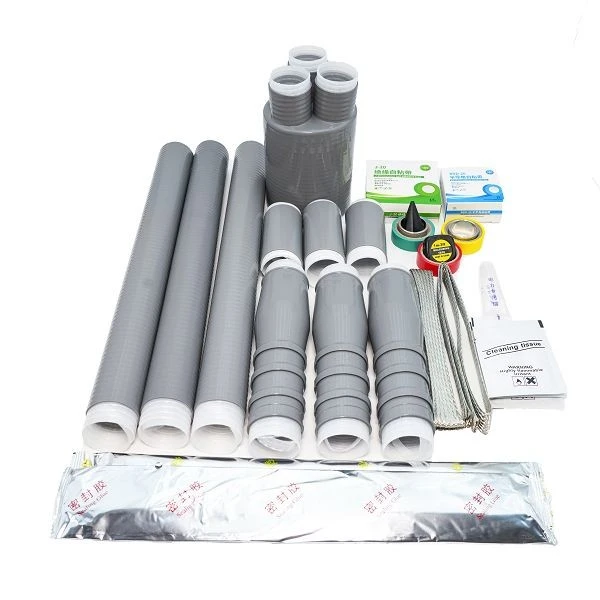
- Indoor Cold Shrink Termination: A convenient and reliable way to terminate cables indoors, offering excellent electrical performance and protection.
- 15kV Separable Elbow Connector: These connectors are designed for high - voltage applications and provide a safe and easy way to connect and disconnect cables.
- 15kV Loadbreak Connector: Useful for switching and controlling electrical loads in 15kV systems, ensuring efficient and reliable operation.
Conclusion and Call to Action
Ensuring a good seal for a bulk wall bushing is a multi - step process that requires the right materials, proper installation, and regular maintenance. By following the tips I've shared, you can significantly improve the performance and lifespan of your bulk wall bushing.

If you're in the market for high - quality Bulk Wall Bushings or any of the related products I've mentioned, I'd love to have a chat with you. Whether you need guidance on product selection, installation, or just have some general questions, I'm here to help. Let's talk about how we can work together to meet your electrical needs.
References
- Electrical Insulation Handbook.
- Manufacturer's guides for Bulk Wall Bushings and sealing materials.